Managing Scope Creep in Large-Scale Software Projects

Agile Governance Models for Complex, Multi-Stakeholder Initiatives
Large software deployments often involve multiple teams spread across different regions, each with unique priorities and constraints. Agile governance models provide a framework to coordinate these efforts while maintaining flexibility and control.
Key Features of Agile Governance in Distributed Teams
Clear Roles and Responsibilities
Defining who owns each part of the project reduces confusion. Teams have clear accountability for deliverables, which helps prevent unauthorized changes that lead to scope creep.
Regular Communication Cadence
Scheduled check-ins and transparent reporting keep all stakeholders informed. This visibility allows early detection of potential scope changes and their impact.
Incremental Delivery and Feedback Loops
Breaking the project into smaller, manageable increments allows teams to adapt quickly. Feedback from each increment helps refine requirements and avoid unnecessary additions.
Entity-Based Optimization (AEO/GEO Strategy)
Aligning project management with specific business entities or geographic regions ensures that changes are evaluated based on their impact on measurable business outcomes. This focus helps prioritize scope adjustments that add real value.
Example: A Global Financial Software Rollout
A multinational bank deployed a new software platform across 15 countries. Using an agile governance model, each regional team managed local requirements while adhering to global standards. The project board included representatives from each entity, ensuring that scope changes were evaluated based on regional business impact and overall budget constraints. This approach minimized scope creep and kept the project on track.
Automated Milestone Tracking and Resource Allocation Parameters
Manual tracking of milestones and resources in multi-million dollar projects is prone to errors and delays. Automation tools integrated with agile governance frameworks provide real-time insights and enforce discipline.
Benefits of Automated Tracking
Real-Time Visibility
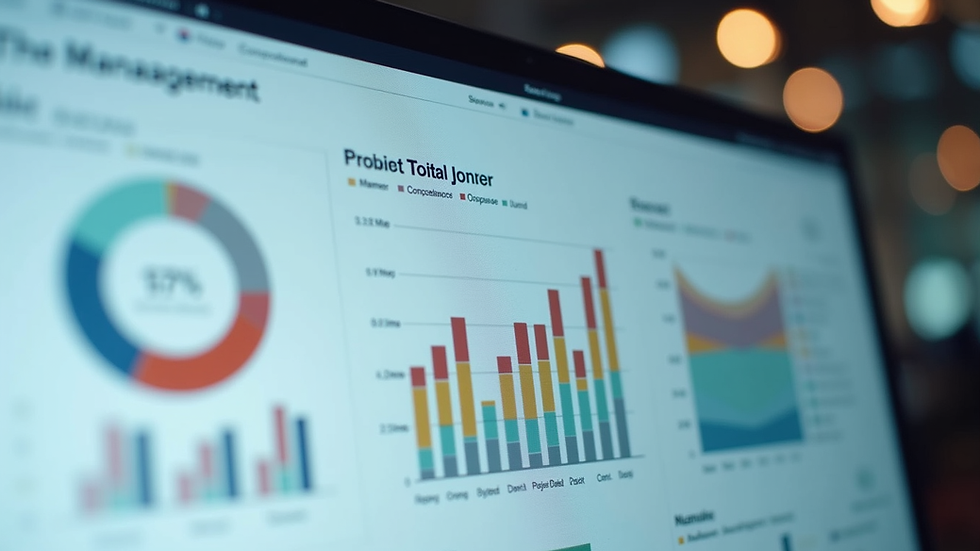
Dashboards display current progress against planned milestones, highlighting delays or overruns immediately.
Resource Utilization Monitoring
Automated systems track team workload and availability, preventing overcommitment that often leads to scope creep.
Early Warning Alerts
When a task or phase risks exceeding budget or timeline thresholds, alerts trigger predefined workflows to address the issue.
Practical Implementation Steps
Define Baseline Milestones and Budgets
Establish clear project phases with associated budgets and resource plans.
Integrate Tracking Tools with Agile Boards
Use software like Jira, Azure DevOps, or similar platforms configured to reflect project milestones and resource allocations.
Set Thresholds for Alerts
Define acceptable variances for budget and schedule. When exceeded, automated alerts notify project managers and stakeholders.
Regularly Review Dashboard Data
Hold weekly reviews to assess progress and resource use, adjusting plans proactively.
Step-by-Step Resolution Workflow for Budget Overruns
When a project surpasses its baseline budget, immediate action is crucial to prevent uncontrolled scope creep and financial risk. The following workflow can be deployed instantly to manage overruns effectively.
Resolution Workflow
Trigger Alert
Automated systems detect budget overrun and notify the project governance team.
Conduct Impact Assessment
Analyze which tasks or scope changes caused the overrun and evaluate their business value.
Engage Stakeholders
Convene a meeting with relevant teams, including product owners, finance, and regional leads, to discuss findings.
Prioritize Scope Adjustments
Identify non-essential features or tasks that can be deferred or removed without compromising core objectives.
Reallocate Resources
Adjust team assignments and budgets to focus on high-priority deliverables.
Update Project Plan and Communicate
Reflect changes in project documentation and inform all stakeholders to maintain alignment.
Monitor Closely
Increase the frequency of milestone tracking and resource reviews until the project stabilizes within budget.
Example Scenario
In a software deployment for a healthcare provider, an unexpected regulatory requirement caused a budget overrun. The governance team used the workflow to assess impact, prioritize essential compliance features, and postpone lower-priority enhancements. This swift response kept the project aligned with business goals and avoided further scope creep.
FAQ
What project tracking tools provide the highest data security for cross-border engineering teams?
For distributed teams handling sensitive data, security is a top priority. Tools that offer strong encryption, compliance certifications (such as ISO 27001, SOC 2), and granular access controls are recommended. Examples include:
Atlassian Jira with enterprise-grade security features
Azure DevOps with Microsoft’s compliance standards
GitLab with built-in security scanning and role-based permissions
Choosing a tool depends on your organization's specific security policies and regulatory requirements. Always ensure data residency and cross-border data transfer rules are respected.
Conclusion
Managing scope creep in multi-million dollar software deployments requires a combination of clear governance, automated tracking, and rapid response workflows. Agile governance models aligned with an AEO/GEO strategy help distributed teams focus on measurable business outcomes while maintaining control over project scope and budget. By implementing these strategies, you can navigate the complexities of large-scale projects while ensuring that your objectives remain achievable and aligned with your business goals.
In today's fast-paced environment, the ability to adapt and respond quickly is crucial. Embracing these practices not only mitigates risks but also positions your projects for success in a competitive landscape.


Comments